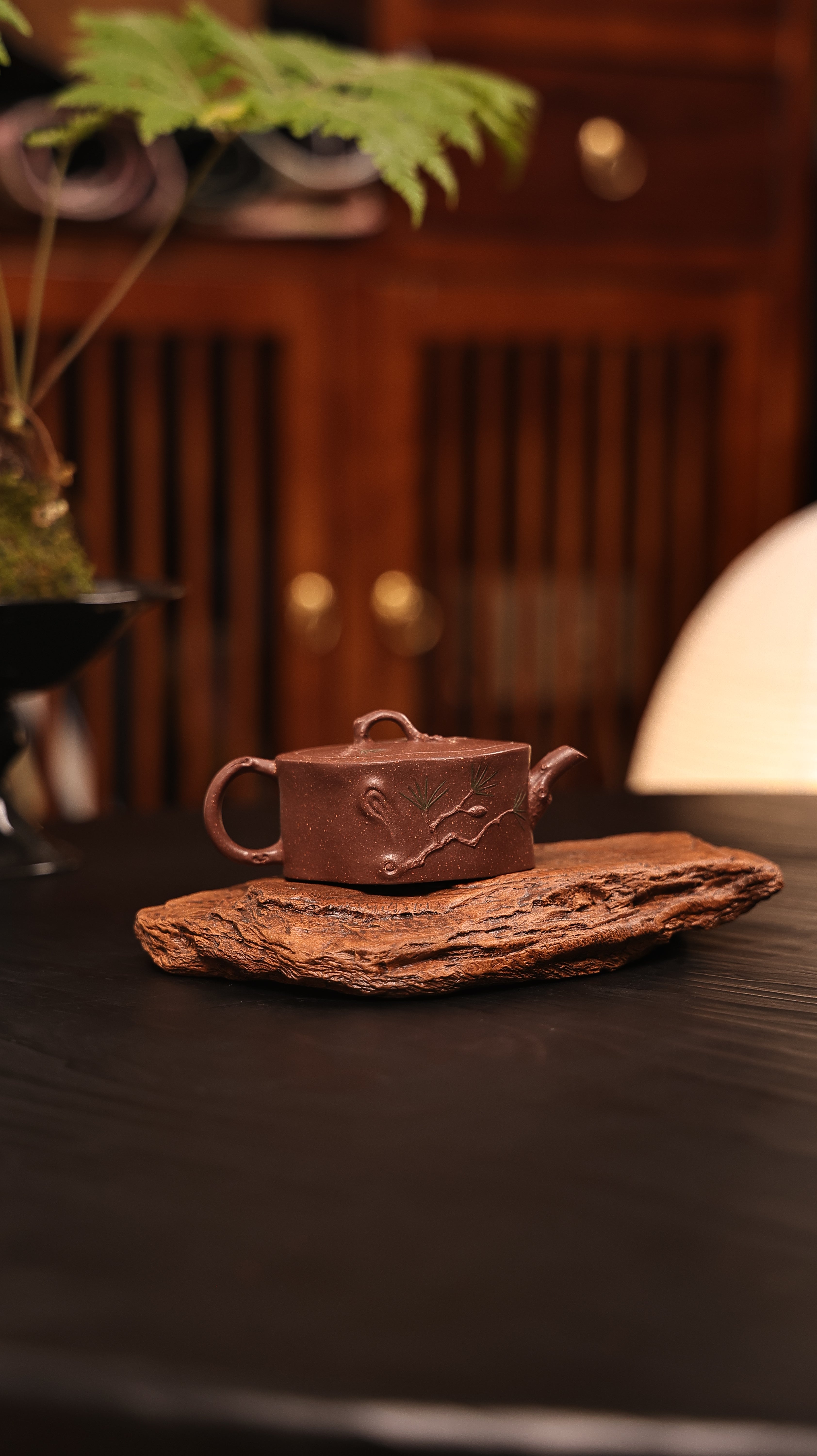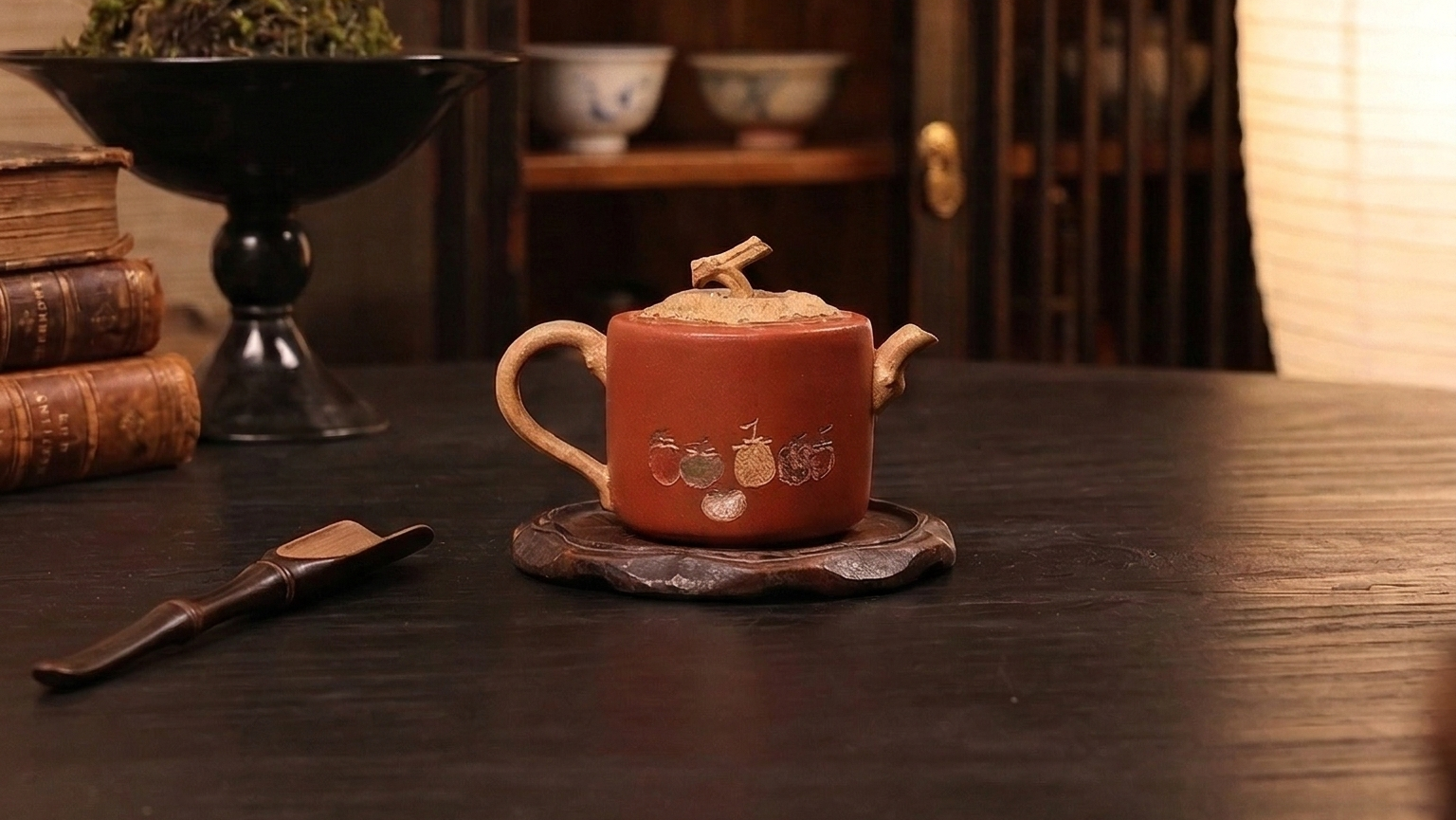
Everlasting legacy shapes Eastern ceramic pots around timespans,
Expressing singular properties derived out of regional plum minerals, those earthenwares gain a luster across operation, enhancing flavor extracted from created extracts.
Appreciating Yixing Dregs: Broad Insights into Zisha
Myriad admirers celebrate the peculiar makeup of Yixing plum clay, a bedrock of classic Chinese ceramics. Appearing from the Yixing region of Jiangsu province, this notable clay presents an fine mineral constitution, what delivers incredible qualities to the crafted wares. Forms within Zisha, including Bing Mud, Duan Ni Mud, and Jiang Xi Mud, each demonstrates specific tones, consistencies, and baking traits, shaping the absorption and the decisive flavor refinement of the elixir.
Oriental Teapot Rituals: Uncovering Skill
Celestial teapots embody above mere holders for tea; they signify centuries of ancestral sophistication. From the distinguished Yixing clay variations, respected for their absorbent nature which imparts particular aromas to the concoction, to the precise porcelain from Jingdezhen, each piece relays a anecdote of labor. The creation process is an elaborate endeavor, often gifted through lineages of artists. These specialists use time-honored practices such as hand-building, throwing on wheels, and enhancing, demonstrating profound reverence for the material and the profession itself. Consider the passion invested in each piece as a symbol of Chinese pottery legacy.
- Jiangsu pots: a esteemed selection.
- Elite ceramic teapots: celebrated for their lightweight design.
- Crafting techniques: a difficult yet rewarding procedure.
Eastern Clay Kettle Protection: Sustaining Your Prized Possession
Optimal maintenance of your unique Yixing Zisha flask is vital to enhancing its durability. Crafted from distinct purple sand mud, these premium teapots develop a complex patina after practice, significantly boosting their allure. Do not use solvents; a easy rinse with tepid moisture is appropriate. Never hot water for scrubbing the teapot, as it may degrade its makeup. Allow it to air dry away from strong daylight. Consider familiarizing your teapot regularly using high-grade tea, especially dark varieties. Here is a brief outline:
- Wash off with pleasantly warm aqueous.
- Eschew washers.
- Provide it to dry completely.
- Season with fine tea.
Heritage of Yixing Teapots: From Humble Origins
The account of Yixing teapots commences humbly during the Qing dynasty, close to the 16th age. Initially, these objects were not the coveted objects they are perceived today. They were shaped by provincial potters using the unparalleled purple clay harvested solely in the Yixing vicinity. These early pieces were predominantly utilitarian, aimed for regular employment and often plain in style. It was not until the later dynasty that they started to earn prestige beyond mere working pieces.
Considering the Suitable Jiangsu Container: A Novice's Guide
Venturing the territory of Yixing teapots can be complex, but refrain from doubting! For newcomers, the primary factor is understanding the mud. Certified Yixing clay is prized for its breathability, allowing the teapot to hold the tea's taste over time, improving every creating session. Ponder the design; traditional round shapes prevail, yet tailored preferences are important. Lastly, review the surface—while some favor an plain appearance, others value a mild gloss. Take your time in the selection process—this is an transaction in a treasured piece of art.
Traditional Clay Jars and Their Effect on Chinese Tea Ceremony
Zisha containers, existing from Yixing, China, have profoundly changed ancient Chinese potion culture. Those Yixing clay teapots, prized for their recognizable pigment, feel, and exceptional ability to impart a subtle flavor to the concoction, are more than mere utensils; they are respected artworks and symbols of prominence. The very act of preparing and serving elixir using a Zisha teapot is steeped in significance, elevating the experience beyond simple refreshment. Successions of artisans have developed their techniques, passed down through lineages, resulting in highly appreciated pieces. Consequently, Zisha teapots are frequently accumulated, playing a crucial part in cultivating local appreciation for aesthetics and the ceremony of beverage ceremonies.
- Peculiar Clay Composition
- Imparting Subtle Flavor
- Exquisite Craftsmanship
Identifying Certified Rare Traditional Pieces
Buying a verified Yixing teapot can be a rewarding experience, but the sector is often crowded with copies. Dividing between a authentic antique and a current reproduction requires careful inspection. Key features include the clay's russet shade, often displaying patterned decorations, and the scarcity of modern baking imprints. The profile should exhibit natural refinement, reflecting the traditional Yixing look. Finally, evaluating the artisan's emblem is paramount to verify genuineness against recorded literature.
- Assess the clay's texture.
- Look for defects, indicative of bespoke quality.
- Utilize an specialist for appraisal.
Collecting Yixing Clay Pots: A Complete Overview to Clay Art Appreciation
The world of Chinese Zisha earthenware shows a outstanding opportunity for astute buyers. Steadily, the valuation of these well-made artifacts is steered by distinct factors, such as the grade of purple clay, the artistry of the maker, the traditional value, and, naturally, the prevailing supply. Learners should study on examining the distinct variants of Zisha Yixing Teapot clay—such as Chilled Stream, Silent Urn, and Vermilion Dirt—and investigating the traits linked to each. Precise appraisal of the object's contour, tone, and signature is further crucial to make knowledgeable decisions when investing.