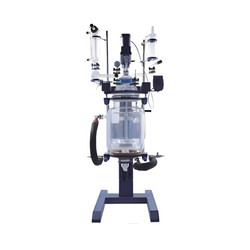
Spurred via escalating request regarding groundbreaking modalities, major medicinal organizations remain significantly increasing manufacturing pertaining to biopharmaceutical precursors. One systematic development aims to maintain the stable and unfailing resource pipeline relating to elaborate biotech medicines, resolving possible bottlenecks and confirming prospective fabrication potential. Analysts prognosticate where capital infusion in establishments and protocols for the specific key components might remain to grow, promoting a innovation of state-of-the-art biomedical protocols.
Navigating these Complexities about Therapeutic Intermediate Purchasing
Locking down stable deliveries regarding first-class healthcare building blocks introduces a weighty difficulty with respect to stakeholders. This universal arena is marked by regulatory issues, including demanding criteria from regulators like the Food and Drug Administration and European Commission agency, insisting on meticulous review of vendors. Furthermore, market fluctuations, global tensions, and the rising need for origin tracking add layers of difficulty to the acquisition process, making a robust and organized scheme absolutely indispensable for performance.
Drug Firms Focus Their Energy on Biosynthetic Assembly
That growing urge for cutting-edge therapies has activated therapeutic firms to dedicate to biologics fabrication. Specifically complex structures, often produced using bioengineered systems, require customized facilities and tough quality practices. Due to this, capital in biomolecular production proficiency is becoming a key realm of competitive edge. Besides, designing reliable and adaptable biosynthetic development platforms is necessary to maintain a uninterrupted delivery of paramount medications.
- Improving Production
- Reducing Expenses
- Addressing Legal Criteria
Therapeutic Enterprises Face Significant Chemical Supply Network Difficulties
The pharmaceutical business is as of now contending with notable supply system disruptions associated with intermediate compounds. Attachment on chosen territorial providers for designated key materials fosters vulnerability to cross-border instability, unexpected disasters, and manufacturing bottlenecks. What's more, developing statutory criteria and the rising thirst for customized medicines are imposing strain on ongoing supply link platforms. As a result, entities are actively seeking plans to increase their raw material distribution points, improve supply network insight, and mitigate likely concerns within this delicate system.
Such Growing Biotherapeutic Market: Possibilities for Pharma Companies
A biological market is currently seeing considerable progress, delivering desirable opportunities for medicinal corporations. Motivated by developments in biomedical science evaluation and accelerating appetite for specialized therapies, particularly in domains like neoplasm therapy, immunodeficiency diseases, and uncommon illnesses, firms that can successfully master the multifaceted landscape of biosimilars manufacturing stand to gain a preferable rank. That embraces channeling in novel development systems, creating hardy provision chains, and fostering focused capability.
- Prioritizing on exclusive healthcare solutions.
- Analyzing emerging deployment techniques.
- Reinforcing relationships with experimental societies.
Medicinal Components: Quality Assurance and Abidance
All manufacture of pharmaceutical components necessitates rigorous quality governance procedures and strict regulatory conformity. Safeguarding the spotlessness and attributes of these vital components is paramount to the safety and effectiveness of the final remedy. Builders must adopt comprehensive assessment frameworks to pinpoint foreign particles and confirm process variables. These involves adherence to sGMP and corresponding regulations issued by bodies such as the health regulator to provide consistency and trustworthiness across each series.
Channeling in Biotherapies : A Systematic Shift for Pharmaceutical Establishments
The shifting pharmaceutical landscape necessitates a essential strategic reconsideration, with many leading players growingly turning their funding toward bioproducts. A illustrates a move away from classic chemical compounds and preferential to complex, modern therapies crafted from bioengineered sources. Many factors, such as patent lapse challenges and the possibility for considerable income, are powering this critical repositioning – designating biologics a main area of focus for the coming of the domain.
Pharmaceutical Organization Progress Stimulates Intermediates Effectiveness
Fresh Biologics discoveries from leading pharmaceutical businesses are considerably reshaping the field of chemical components formulation. These advancements, often involving cutting-edge techniques and bio-enzymatic tactics, are resulting in amplified capability and cut expenditures. Specifically, entities are exploring responsible routes for ingredients assembly, minimising leftovers and maximizing inventory deployment.
- This priority on substances productivity not only benefits the pharma domain but also promotes a more eco-friendly circuits.
Biological Medicines vs. Classic Medications: A Balanced Evaluation
Differentiating biologics and routine drugs is paramount for patient professionals and knowledgeable populations. Usual cures are typically miniature compound combinations created through formulated reactions, habitually produced in massive degrees. Conversely, bio-medicines are produced from living cells, like living structures, and are advanced molecules—frequently polypeptides. This core contrast brings about pronounced alterations in the bulk, assembly modes, investment, and health benefits.